... Researchers have published a study suggesting how baking soda can help destroy tumors.This work suggests that baking soda changes the surrounding environment, making it easier for cancer medications to work on solid tumors. In this case, “environment” refers to the surroundings or conditions in which baking soda is used. ...
Can Baking Soda Help Fight Lung Cancer?
... Researchers have published a study suggesting how baking soda can help destroy tumors.This work suggests that baking soda changes the surrounding environment, making it easier for cancer medications to work on solid tumors. In this case, “environment” refers to the surroundings or conditions in which baking soda is used. ...
... Trial Anemia (Low Red Blood Cell Counts) — American Cancer Society Preoperative Anemia Is Associated With Worse Long-Term Survival After Lung Cancer Resection: A Multicenter Cohort Study of 5,029 Patients — Journal of Cardiothoracic and Vascular Anesthesia What Is Anemia? ...
Can Lung Cancer Cause Anemia?
... Trial Anemia (Low Red Blood Cell Counts) — American Cancer Society Preoperative Anemia Is Associated With Worse Long-Term Survival After Lung Cancer Resection: A Multicenter Cohort Study of 5,029 Patients — Journal of Cardiothoracic and Vascular Anesthesia What Is Anemia? ...
... They can provide resources that can help you fight nicotine addiction and stop using tobacco products. ...
... Journal for Clinicians Cancer Facts & Figures for African Americans/Black People — American Cancer Society ...
Posted 03/23/2022
... References Wildfire Climate Connection — National Oceanic and Atmospheric Administration What To Know About Wildfire Smoke — Yale Medicine Long-Term Health Effects of Wildfire Exposure: A Scoping Review — The Journal of Climate Change and Health Wildfire Smoke May Increase Risk of New Cancer, Poor Outcomes of Existing Cancer — Cancer Therapy Advisor ...
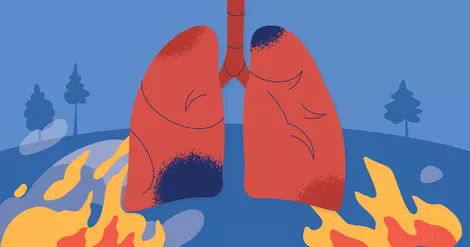
Can Wildfire Smoke Cause Lung Cancer?
... References Wildfire Climate Connection — National Oceanic and Atmospheric Administration What To Know About Wildfire Smoke — Yale Medicine Long-Term Health Effects of Wildfire Exposure: A Scoping Review — The Journal of Climate Change and Health Wildfire Smoke May Increase Risk of New Cancer, Poor Outcomes of Existing Cancer — Cancer Therapy Advisor ...
... — Mayo Clinic Exogenous Lipid Pneumonia Related to Long-Term Use of Vicks VapoRub by an Adult Patient: A Case Report — BMC Ear, Nose and Throat Disorders Lipoid Pneumonia — StatPearls Is Vicks VapoRub Safe? ...
Can Vicks VapoRub Cause Lung Cancer?
... — Mayo Clinic Exogenous Lipid Pneumonia Related to Long-Term Use of Vicks VapoRub by an Adult Patient: A Case Report — BMC Ear, Nose and Throat Disorders Lipoid Pneumonia — StatPearls Is Vicks VapoRub Safe? ...
... Determinants of Lung Cancer — Translational Lung Cancer Research ...
... Some lung cancer medications can also raise the risk of blood clots. A blood clot forms when blood cells are packed together and form masses that can restrict blood flow. Blood clots can be life-threatening. ...
Can an Echocardiogram Detect Lung Cancer?
... Some lung cancer medications can also raise the risk of blood clots. A blood clot forms when blood cells are packed together and form masses that can restrict blood flow. Blood clots can be life-threatening. ...
... A biopsy can also help your doctor understand what type of lung cancer you have.If you haven’t been diagnosed but are concerned about your risk for lung cancer, your doctor can help you better understand screening and diagnostic tests. Additionally, if you already get routine mammograms, ask your doctor about lung cancer screening, too. ...
Can a Mammogram Detect Lung Cancer?
... A biopsy can also help your doctor understand what type of lung cancer you have.If you haven’t been diagnosed but are concerned about your risk for lung cancer, your doctor can help you better understand screening and diagnostic tests. Additionally, if you already get routine mammograms, ask your doctor about lung cancer screening, too. ...
... The researchers also discovered that lung cancer was more common in those who ate certain foods: A person’s chances of getting lung cancer increased by 36 percent for every 50 grams (1.75 ounces) of red meat eaten per day. The risk of lung cancer rises by 30 percent for every 25 grams of processed meats consumed each day. ...
Posted 03/30/2022
Diet Can Impact Lung Cancer Risk
... The researchers also discovered that lung cancer was more common in those who ate certain foods: A person’s chances of getting lung cancer increased by 36 percent for every 50 grams (1.75 ounces) of red meat eaten per day. The risk of lung cancer rises by 30 percent for every 25 grams of processed meats consumed each day. ...
Posted 03/30/2022







 Join
Join