Powered By



 Lung cancer and its treatments can leave you feeling exhausted, even after a full night’s sleep. Shortness of breath, anemia, pain, appetite changes, stress, and sleep problems may all contribute to fatigue.
Although cancer-related fatigue isn’t always relieved by rest, small changes to your daily routine may help you manage your energy. It’s also important to tell your cancer care team about ongoing or worsening fatigue, since some causes may be treatable.
Here are six strategies to consider, along with tips from MyLungCancerTeam members. Vote on what you’ve tried, and let us know what we missed.
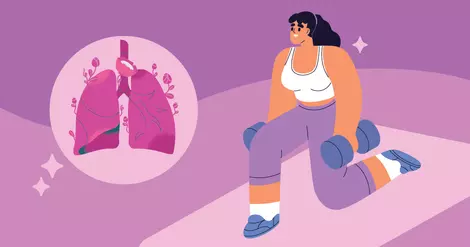
Exercise may help people with cancer feel better and have more energy. If your care team agrees, begin with short walks, stretching, tai chi, or… Read more
Eating enough and staying hydrated may help you maintain your energy. A registered dietitian can help you find foods and drinks that provide the… Read more
Good sleep habits may help you feel more rested. Try going to bed and waking up at the same time each day. Keep your bedroom cool, dark, and… Read more
Rest can be useful, but the American Cancer Society notes that too much rest can lower energy and make it harder to sleep at night.
Think of your… Read more
Living with lung cancer can bring stress, worry, sadness, and uncertainty, all of which may make fatigue feel harder to manage. Taking time to… Read more
Shortness of breath can make everyday activities exhausting. Taking breaks during activities, sitting upright, or using breathing techniques… Read more
What did we miss? We’d love to hear what’s helped you boost your energy while living with lung cancer. Share your tips below.
 Continue with Facebook
Continue with Email
You'll also get the latest articles directly to your inbox.


You'll also get the latest articles directly to your inbox.
Get updates directly to your inbox.


 Continue with Facebook
Continue with Email
Continue with Facebook
Continue with Email
Become a member to get even more





 Join



 Your Privacy Choices