Regaining physical strength after lung cancer treatment is a gradual process, but it's absolutely possible with the right approach. Always check with your oncologist before starting any new exercise or nutrition plan to make sure it's safe for your specific situation. Nutrition First
Fueling your body well is a key Show Full Answer
Regaining physical strength after lung cancer treatment is a gradual process, but it's absolutely possible with the right approach. Always check with your oncologist before starting any new exercise or nutrition plan to make sure it's safe for your specific situation. Nutrition First
Fueling your body well is a key foundation for rebuilding strength. Here are some helpful tips:
- Eat what you feel like eating — don't stress about "perfect" eating, especially if your appetite is low
- Prioritize protein (meat, fish, eggs) to help rebuild muscle
- Ask your oncologist for a referral to an oncology dietitian if you need personalized guidance
- Focus on eating enough to avoid malnutrition and muscle loss Start Moving Gradually
Exercise is one of the most powerful tools for rebuilding strength. The key is starting slow and building up over time. Some good low-intensity options include:
- Short walks (even just a couple of blocks)
- Swimming
- Gentle yoga or stretching
- Tai chi
- Seated exercise classes
As one MyLungCancerTeam member shared, they started with short walks, resting in between, and slowly built up from there. Strength Training When Ready
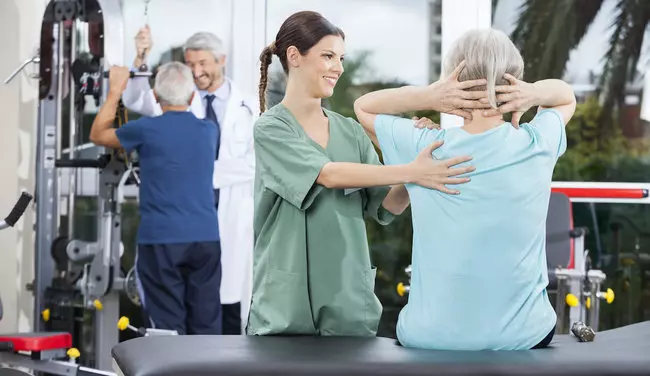
Once your doctor clears you, a progressive strength training program can help rebuild muscle mass and bone density, both of which can be affected by treatment. A physical therapist can help design a safe, personalized plan. Listen to Your Body
It's normal to have good days and bad days. On tougher days, even light activity like yard work or a short stroll counts. Pushing too hard on good days can lead to more fatigue later, so pacing yourself is really important.
The benefits of rebuilding strength go beyond the physical — regular activity can also help with anxiety, sleep, mood, and overall quality of life. You've already shown incredible resilience getting through treatment — that same strength will carry you forward! 💪
June 28





 Continue with Facebook
Continue with Email
Continue with Facebook
Continue with Email

 Join
Join


 Your Privacy Choices